Industrial Skid Systems — Custom Engineered & Fabricated for Process Industries
Ergil designs, engineers, and fabricates custom skid systems and modular skid systems for oil and gas, petrochemical, water treatment, and process industries. As pre-fabricated, self-contained units, our skid-mounted systems deliver a compact, efficient, and cost-effective way to install and integrate complex process equipment — built, tested, and certified in-house before they ever reach your site.
What Is a Skid System?
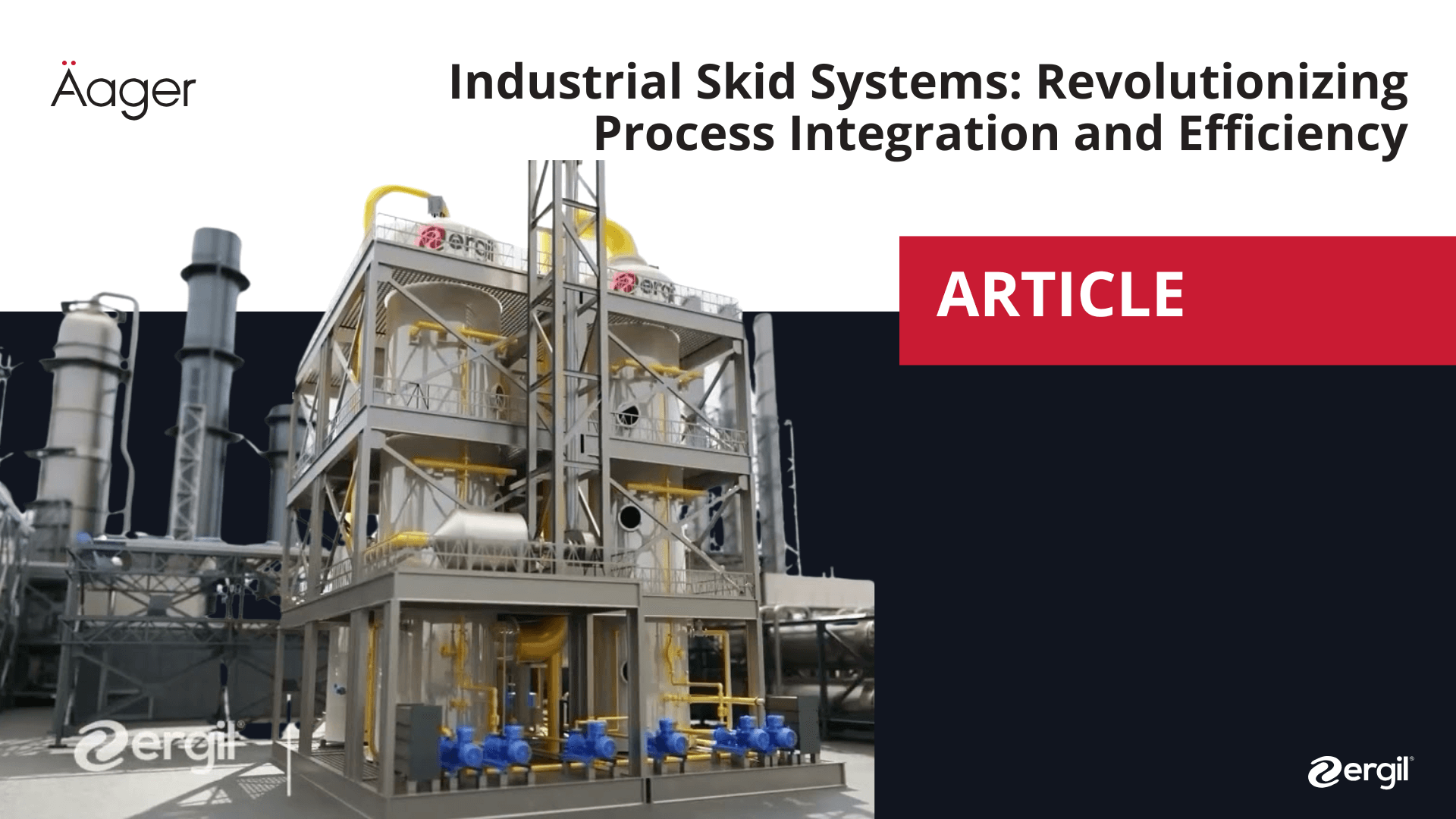
A skid system — also called a skid-mounted system, process skid, or skid package — is a modular unit that integrates the components of a process system onto a single structural steel frame, or "skid." A typical skid system includes pumps, valves, instrumentation, piping, and control systems, all pre-assembled and tested as one transportable package.
The concept of skid systems originated in the oil and gas industry but has since expanded into many other sectors, including:
- Oil and gas production and processing
- Chemical and petrochemical processing
- Water and wastewater treatment
- Food and beverage production
- Pharmaceutical manufacturing
- Power generation
- Biofuel production
Modular Skid Systems
Modular skid systems are engineered so that individual skid packages can be combined, expanded, or reconfigured as process requirements change. Because each module is designed, fabricated, and factory-tested independently, modular skid systems shorten project timelines, simplify transport and installation, and make future capacity expansion straightforward. Ergil's modular process skid equipment is built on this plug-and-play philosophy, allowing operators to scale capacity by adding interconnected skid modules instead of rebuilding entire systems.
Skid Systems for Oil and Gas
Skid systems for oil and gas are the most demanding application of skid-mounted technology, requiring compliance with strict industry standards and the ability to handle high pressures, sour service, and hazardous environments. Ergil supplies a full range of skid packages for upstream, midstream, and downstream operations, including:
- Natural gas glycol dehydration units for removing water vapor and meeting pipeline dew-point specifications
- Fuel gas conditioning skids for turbine and engine fuel supply
- Crude oil metering skids and gas metering skids for custody transfer
- Amine filtration packages and glycol filtration skids for gas sweetening and dehydration loops
Types of Skid Systems
- Pump Skids: Integrating pumps, motors, and associated controls for fluid transfer applications.
- Filtration Skids: Incorporating filtration technologies for liquid or gas purification.
- Heat Exchanger Skids: Combining heat exchangers with pumps and controls for thermal management.
- Metering Skids: Precision measurement and control of fluid flow rates for custody transfer and process streams.
- Chemical Injection Skids: Accurate dosing of chemicals into process streams.
- Compressor Skids: Packaged air or gas compression systems for industrial applications.
- Steam Generation Skids: Compact boiler systems for on-demand steam production.
- Water Treatment Skids: Modular systems for water purification and wastewater treatment.
Key Benefits of Skid Systems
- Reduced On-Site Installation Time: Skid systems arrive pre-assembled, significantly reducing installation time and associated labor costs.
- Quality Control: Factory assembly allows for better quality control and testing before delivery to site.
- Space Efficiency: Compact design optimizes floor space in manufacturing and process facilities.
- Mobility: Skid-mounted systems can be relocated if process requirements change.
- Standardization: Repeatable designs lead to consistent performance across multiple installations.
- Reduced Engineering Costs: Pre-engineered solutions minimize custom design requirements.
- Faster Project Completion: Parallel construction of skids and site preparation accelerates project timelines.
Skid System Engineering and Fabrication Process
Producing a skid system involves several key steps:
- Design and Engineering:
- 3D modeling and simulation of the skid layout
- Component selection and integration planning
- Structural analysis of the skid frame
- Fabrication:
- Cutting and welding of the structural steel frame
- Installation of major equipment components
- Piping fabrication and installation
- Electrical and Instrumentation:
- Wiring of electrical systems
- Installation of control panels and instrumentation
- Integration of automation and control systems
- Testing and Quality Assurance:
- Hydrostatic testing of piping systems
- Functional testing of individual components
- Integrated system testing and performance verification
- Surface Treatment and Painting:
- Sandblasting or chemical cleaning of surfaces
- Application of primer and finish coats
- Specialized coatings for corrosive environments
- Documentation and Certification:
- Preparation of operation and maintenance manuals
- Compilation of material certificates and test reports
- Acquisition of relevant certifications (e.g., ASME, CE marking)
Critical Considerations When Purchasing Skid Systems
- Process Requirements: Define flow rates, pressures, temperatures, and other critical parameters, and consider future capacity needs.
- Site Conditions: Evaluate available space, access for installation, environmental factors, and utility availability.
- Regulatory Compliance: Ensure the skid system meets all relevant industry standards, local codes, and permitting requirements.
- Material Selection: Choose materials compatible with process fluids and operating conditions for corrosion resistance and longevity.
- Control System Integration: Determine the level of automation required and ensure compatibility with existing plant control systems.
- Maintenance Accessibility: Verify ease of access for routine maintenance and the availability of spare parts and local service support.
- Transportation and Installation: Plan logistics for transporting the skid and assess lifting and positioning requirements at site.
- Vendor Expertise and Support: Evaluate the manufacturer's experience in your industry and the level of after-sales support offered.
- Total Cost of Ownership: Look beyond initial purchase price to long-term operational, energy, and maintenance costs.
- Customization vs. Standardization: Determine whether a standard skid design meets your needs or customization is necessary.
Why Choose Ergil for Skid Systems
Ergil is a global manufacturer of custom skid systems and process equipment, with in-house engineering, fabrication, and testing under one roof. Our approach includes:
- Modular Design Philosophy: Skid systems engineered for easy expansion and modification as process needs evolve.
- Advanced 3D Modeling: Detailed CAD models enabling virtual walk-throughs and clash detection before fabrication begins.
- In-House Testing Facilities: Comprehensive testing that ensures each skid system meets or exceeds specifications before shipment.
- Global Compliance: Skid systems designed to ASME, CE, and other international standards for deployment in any market.
- Industry-Specific Expertise: Tailored skid designs across sectors, from oil and gas to water treatment. Explore our full range of process systems and delivered projects.
Future Trends in Skid Systems
- IoT Integration: Sensors and connectivity for real-time monitoring and predictive maintenance.
- Modular Scalability: Capacity expansion through interconnected skid modules.
- Energy Efficiency: Optimizing energy consumption through advanced controls and high-efficiency components.
- Additive Manufacturing: 3D printing of complex components to reduce lead times.
- Augmented Reality Support: AR technologies for remote troubleshooting and maintenance.
Frequently Asked Questions About Skid Systems
What is a skid system in oil and gas?
In oil and gas, a skid system is a modular process package — such as a metering skid, glycol dehydration unit, or fuel gas conditioning skid — pre-assembled on a steel frame, factory-tested, and delivered ready for connection at the wellsite, plant, or terminal.
What is the difference between a skid system and a modular skid system?
All skid systems are mounted on a frame for transport and installation. A modular skid system goes further: it is designed as one of several interconnecting modules, so capacity can be expanded or reconfigured by adding modules rather than redesigning the whole system.
How long does it take to manufacture a custom skid system?
Lead time depends on complexity, materials, and certification requirements. Because Ergil engineers, fabricates, and tests skids in-house, schedules are typically shorter than multi-vendor approaches. Contact our team for a project-specific lead time.
What standards do Ergil skid systems comply with?
Ergil skid systems are designed and certified to international standards including ASME and CE marking, with documentation, material certificates, and test reports provided for every package.
Request a Quote for Your Skid System
Ready to specify a custom skid system or modular skid package for your project? Contact Ergil's engineering team for a quotation and discuss your process requirements with our specialists.