What is a skid system?
If you work in oil and gas, water treatment, or any process industry, you have almost certainly encountered the term "skid system." But what exactly is a skid system, and why have these pre-fabricated packages become the default way to deliver complex process equipment? This guide explains what a skid system is, how modular skid systems work, the main types, their benefits, and how to choose the right one for your project.
What Is a Skid System?
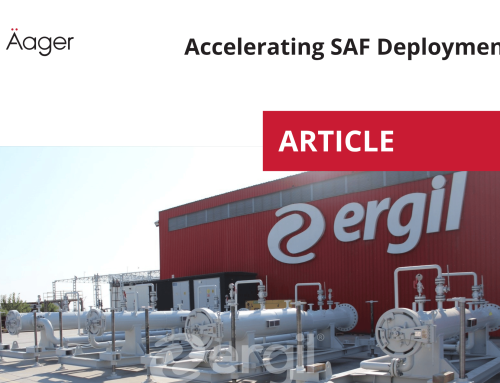
A skid system is a modular unit that integrates the components of a process system — pumps, valves, instrumentation, piping, and controls — onto a single structural steel frame known as a "skid." Rather than installing each component separately on site, the entire system is pre-assembled, wired, and tested at the manufacturer's facility, then shipped as one transportable package ready for connection.
You may also hear skid systems called skid-mounted systems, process skids, or skid packages. Whatever the name, the principle is the same: build and test the system in a controlled factory environment, then deliver it as a near plug-and-play unit. For a fuller overview of how these are engineered and fabricated, see our main page on industrial skid systems.
Where Did Skid Systems Come From?
The skid concept originated in the oil and gas industry, where equipment often had to be installed in remote, harsh, or space-constrained locations — offshore platforms, desert wellsites, and processing terminals. Shipping a fully assembled, factory-tested package was far more practical than assembling dozens of components in the field. Over time the approach spread to chemical processing, water and wastewater treatment, pharmaceuticals, food and beverage, power generation, and biofuels.
What Is a Modular Skid System?
A modular skid system takes the concept a step further. Instead of one fixed package, the system is designed as a set of interconnecting modules. Each module is engineered, fabricated, and tested on its own, then combined on site. The advantage is flexibility: you can expand capacity, reconfigure a process, or replace a single module without rebuilding the entire system. This makes modular skid systems especially valuable for operations expecting future growth or changing process requirements. Ergil's modular process skid equipment is built on exactly this plug-and-play philosophy.
What Components Make Up a Skid System?
While the exact contents depend on the application, most skid systems include some combination of:
- Structural skid frame: A welded steel base that supports all equipment and allows the unit to be lifted and transported.
- Rotating equipment: Pumps, compressors, or blowers that move fluids or gases.
- Process equipment: Vessels, heat exchangers, filters, or separators specific to the process.
- Piping and valves: Interconnecting pipe spools, manual and automated valves, and fittings.
- Instrumentation and controls: Sensors, transmitters, control panels, and automation systems.
Main Types of Skid Systems
Skid systems are usually named after their primary function. Common types include:
- Pump skids — integrating pumps, motors, and controls for fluid transfer.
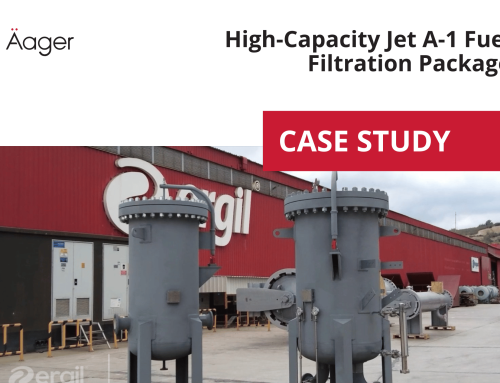
- Filtration skids — housing filtration technologies for liquid or gas purification.
- Metering skids — measuring and controlling flow, often for custody transfer in oil and gas.
- Chemical injection skids — dosing chemicals accurately into a process stream.
- Heat exchanger skids — combining heat exchangers with pumps and controls for thermal duty.
- Compressor skids — packaged air or gas compression units.
- Gas processing skids — such as glycol dehydration units and fuel gas conditioning skids.
- Water treatment skids — modular units for purification and wastewater treatment.
Skid Systems in Oil and Gas
Oil and gas is still the most demanding application for skid technology, requiring compliance with strict standards and the ability to handle high pressures, sour service, and hazardous environments. Typical oil and gas skid packages include metering skids for custody transfer, glycol dehydration units for removing water from natural gas, fuel gas conditioning skids, and amine filtration packages for gas sweetening. These units are engineered to ASME, CE, and other international standards.
Key Benefits of Skid Systems
- Faster installation: Arriving pre-assembled, skids dramatically reduce on-site labor and installation time.
- Better quality control: Factory assembly and testing catch issues before delivery.
- Space efficiency: Compact, optimized layouts save valuable plant floor space.
- Mobility: Skid-mounted systems can be relocated if requirements change.
- Predictable cost and schedule: Pre-engineered designs and parallel site work shorten timelines.
- Standardization: Repeatable designs deliver consistent performance across sites.
How to Choose the Right Skid System
When specifying a skid system, weigh the following factors:
- Process requirements — flow rates, pressures, temperatures, and future capacity.
- Site conditions — available space, access, environment, and utilities.
- Regulatory compliance — relevant industry standards, codes, and certifications.
- Material selection — compatibility with process fluids and corrosion resistance.
- Control integration — automation level and compatibility with existing systems.
- Vendor expertise — the manufacturer's track record in your specific industry.
- Total cost of ownership — energy efficiency and maintenance, not just purchase price.
Frequently Asked Questions
What does "skid-mounted" mean?
"Skid-mounted" means a piece of equipment or an entire process system is assembled onto a steel skid frame so it can be transported and installed as a single unit, rather than built up from individual components on site.
What is the difference between a skid system and a modular skid system?
A skid system is any process package mounted on a single frame. A modular skid system is made of several interconnecting modules, so capacity can be expanded or reconfigured by adding modules rather than redesigning the whole system.
Which industries use skid systems?
Oil and gas, petrochemical, chemical processing, water and wastewater treatment, pharmaceuticals, food and beverage, power generation, and biofuel production all rely on skid systems.